

Hunting Land Income: The Passive Revenue Stream Nobody Talks About
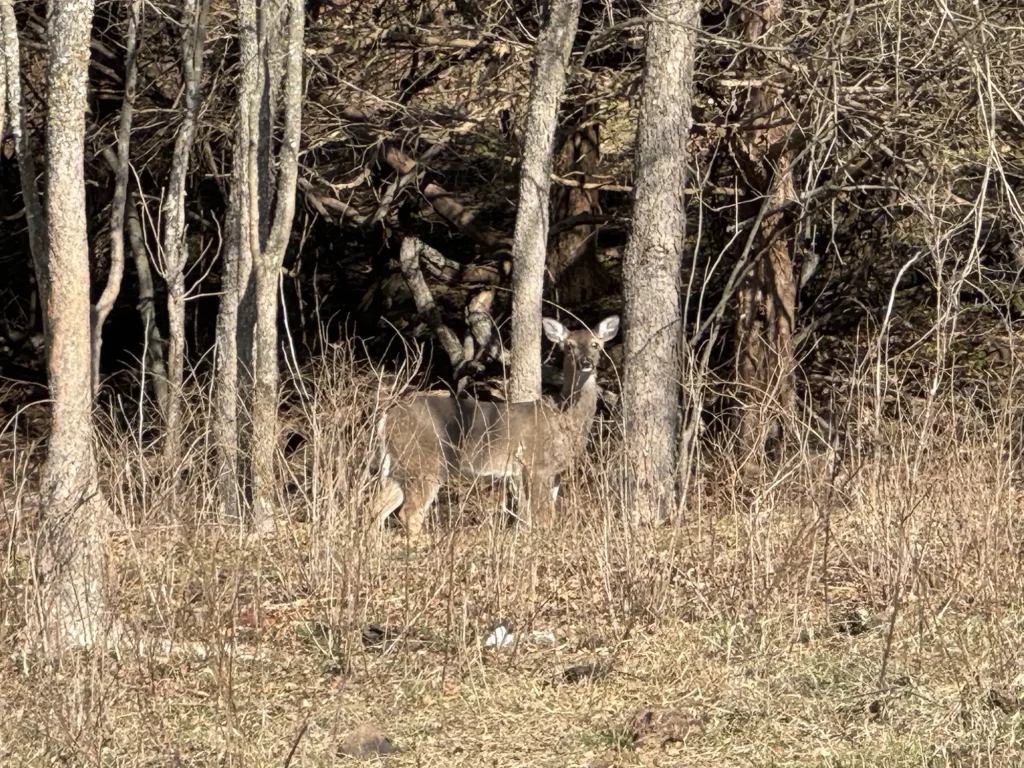
Here’s what wealthy hunters understand that everyone else misses. Most people buy hunting land and see it purely as personal enjoyment or a nest egg for the future. They have no idea their property could be earning thousands annually while they’re not even using it. Prime hunting acreage in Northwest Arkansas and Southwest Missouri operates like a money-printing machine for investors smart enough to recognize the opportunity. This is why savvy buyers are snapping up every quality tract they can find. The Income Potential Hidden in Plain Sight Quality hunting land generates revenue through multiple channels that most owners never explore. While you’re enjoying your property, it’s quietly working to produce income. The most successful hunting property owners treat their acreage like a business asset rather than just a personal playground. This mindset shift transforms your investment’s financial profile entirely. How Hunting Properties Generate Passive Income Smart landowners unlock revenue through several proven strategies: Balancing Income and Personal Use The best hunting property investments balance income generation with personal enjoyment. You can lease your property strategically during peak seasons while reserving prime dates for family hunting. This approach requires planning but creates genuine wealth while maintaining your hunting paradise. Contact Tony Chrisco and Chris Files at Whitetail Properties today to explore hunting properties positioned for both income generation and long-term appreciation.
Why Hunting Land Prices Are Skyrocketing Right Now
I need to pull back the curtain on something happening right now that most hunting enthusiasts don’t fully understand. Hunting land prices in Northwest Arkansas and Southwest Missouri aren’t just increasing incrementally. They’re experiencing dramatic acceleration driven by powerful forces that show no signs of slowing down. If you’ve been considering purchasing hunting property, the window for favorable pricing is narrowing faster than you might realize. The Convergence Creating Price Explosions Several factors are simultaneously pushing hunting land values upward at unprecedented rates. Wealthy buyers from urban centers are discovering rural properties as remote work becomes permanent. Institutional investors now view hunting land as a recession-proof asset with reliable appreciation. Simultaneously, available quality hunting acreage is shrinking as family properties consolidate and corporate buyers acquire premium tracts. This supply compression, combined with demand explosion, creates the perfect conditions for rapid value acceleration. The Hidden Pressures Reshaping the Market Multiple dynamics are driving this shift beyond simple supply and demand: The Timing Reality Hunting properties purchased five years ago are now worth 30 to 40 percent more. Projections suggest similar appreciation rates continuing for the next three to five years before growth potentially moderates. This suggests the current market represents a narrow window before prices move beyond comfortable reach for individual buyers. Strategic Action While Opportunity Exists Delaying a hunting land purchase essentially costs you money through lost appreciation. Every season that passes sees comparable properties commanding higher prices. Properties that seem expensive today may appear like bargains within twelve months. Explore hunting land opportunities now with Tony Chrisco and Chris Files, land specialists at Whitetail Properties who understand regional market dynamics and can identify properties positioned for appreciation.
How to Spot Hidden Value in Development Land
I want to show you something most casual real estate investors completely miss. Right now in Northwest Arkansas and Southwest Missouri, parcels of seemingly ordinary land are sitting undervalued while savvy investors recognize their true worth. These properties don’t look exceptional at first glance, but understanding what makes land development-ready separates those who build real wealth from those who miss obvious opportunities. Why Seemingly Ordinary Land Commands Premium Prices Development-ready property isn’t distinguished by how it looks today but by what it can become tomorrow. Location relative to growth corridors matters enormously. Proximity to infrastructure, utilities, and population centers determines development potential. Zoning classifications that permit commercial or residential use create exponential value increases. Properties with these characteristics get acquired by developers for multiples of agricultural land prices. The Characteristics That Signal Hidden Value Investors who consistently profit from land purchases recognize specific indicators: The Timing Advantage Growth in Northwest Arkansas is accelerating rapidly. Properties that seemed remote five years ago are now positioned for development. Early investors who recognized this trend purchased acreage when prices reflected agricultural use only. Now those same properties command prices reflecting development potential. This window of opportunity doesn’t stay open forever. Making Strategic Investment Decisions The difference between speculation and smart investment is research and timing. Working with land specialists who understand regional development patterns helps you identify properties positioned for appreciation before the market catches up. Contact Tony Chrisco and Chris Files at Whitetail Properties today, who can identify development-ready properties positioned for significant appreciation in your investment timeline.
Weekend Retreat Property: Fantasy vs Smart Investment
The idea of owning a weekend retreat can be irresistible. It’s easy to picture quiet mornings in nature, family nights around a fire, and a private escape from everyday pressure. That dream is so powerful that many buyers jump into recreational land purely on emotion rather than smart financial reasoning. Years later, they’re left with a property that brings in no income while draining money through taxes, upkeep, and lost opportunities. The Fantasy vs Reality Problem Weekend retreat purchases sound perfect until reality sets in. That beautiful wooded property requires clearing trails, maintaining access roads, and managing liability. The cabin needs heating, cooling, and regular upkeep, whether you visit monthly or rarely. Property taxes continue regardless of usage. Insurance doesn’t pause during your busy seasons. What seemed like an affordable escape becomes an expensive burden that you’re legally and financially responsible for maintaining. What Separates Smart Investments From Regrettable Purchases Successful recreational property investments share specific characteristics: Making the Right Decision Before purchasing recreational land in Northwest Arkansas or Southwest Missouri, ask yourself honestly: Will I actually use this regularly? Can I afford ongoing costs regardless of usage frequency? Does this investment make financial sense beyond emotional appeal? The best recreational properties blend emotional satisfaction with practical investment fundamentals. They’re not fantasy purchases but thoughtfully selected parcels that genuinely enhance your life while building wealth. Work with experienced land specialists who understand recreational property realities. Contact Arkansas Missouri Land to evaluate whether a specific property makes sense for your situation.
Building Your Dream Home on Raw Land: What Northwest Arkansas Buyers Need to Know
There’s something deeply satisfying about building a custom home on your own piece of land in the Ozarks. Unlike buying an existing home where you inherit someone else’s choices, building on raw acreage lets you create exactly what you want, positioned exactly where you want it, with views and outdoor space most neighborhoods can’t offer. But building on raw land in Northwest Arkansas comes with unique considerations that suburban builders never face. From drilling wells to running power lines, installing septic systems to navigating county regulations, the process requires careful planning and realistic expectations about costs and timelines. Understanding what’s involved before you purchase will help you choose the right property and avoid costly surprises down the road. Why Building on Raw Land in Northwest Arkansas Makes Sense The Northwest Arkansas real estate market has seen tremendous growth. As Bentonville, Rogers, and Fayetteville expand rapidly, many buyers are discovering that raw acreage offers better value and more freedom than cramped subdivisions. Complete Design Freedom: No HOA restrictions, no cookie-cutter layouts, and no compromises. Want a workshop larger than your house? A barn for horses? Solar panels and a garden? On your own acreage, you decide. More Land for Your Money: A half-acre lot in a desirable subdivision might cost $100,000 or more. That same money can buy 5 to 20 acres of beautiful Ozark land where you’ll build with privacy, views, and room for outdoor recreation. Long Term Investment and Lifestyle: Quality land in Northwest Arkansas continues to appreciate while providing a lifestyle suburban homes cannot match. You’ll hear owls instead of traffic, see stars instead of streetlights, and have space between you and neighbors. Generational Property: Building on larger acreage allows you to create a family compound or legacy property with room for future generations. Choosing the Right Property for Building Not all raw land is equally suitable for home construction. Before falling in love with a property, evaluate these critical factors. Building Site and Topography The ideal property offers multiple potential building sites with good elevation and drainage. Look for relatively level areas or gentle slopes rather than steep hillsides that require expensive excavation. Properties with varied topography give you options if your first choice proves problematic. Consider southern exposure for natural light, prevailing winds for comfort, and views you’ll enjoy from inside the home. The best building sites balance practical construction concerns with aesthetic appeal. Access and Roads Year-round vehicle access is non-negotiable. The property needs either county road frontage or a deeded easement providing legal access. Verify the road is maintained and passable during winter weather and spring rains. Consider driveway costs. A quarter-mile driveway through steep terrain can cost $20,000 to $50,000 or more, depending on grading and gravel needs. Properties with shorter distances or existing drives save substantial money. Water Source Availability Most rural properties rely on drilled wells. Before purchasing, research well depths in the area and talk to neighbors about their well depth and water quality. Some Ozark areas have excellent water at 150 to 250 feet while others may require drilling 400 feet or deeper. Budget $8,000 to $15,000 for well drilling, though costs vary based on depth and rock conditions. Properties with existing producing wells can save you significant money and eliminate uncertainty about water availability. Septic System Suitability Northwest Arkansas properties require septic systems unless near municipal sewer lines, which is rare for rural acreage. County health departments regulate septic systems and require soil testing before approving permits. Schedule a percolation test before purchasing to confirm the property can support a septic system. Rocky Ozark soil and steep slopes sometimes create challenges for conventional systems. Budget $8,000 to $15,000 for conventional septic, or $15,000 to $30,000 for alternative systems on challenging sites. Utility Availability Electric service is essential. Determine the distance from the property to existing power lines. Most electric cooperatives will extend service, but you’ll pay for line extension beyond a certain distance at roughly $20 to $40 per foot. Internet connectivity has become nearly as important as electricity. Research the availability of fiber, cable, DSL, or reliable cellular service. Propane service is available throughout Northwest Arkansas for heating, cooking, and hot water. Understanding the Building Process and Timeline Building on raw land takes longer than building in a subdivision. Understanding realistic timelines helps you plan appropriately. Property Purchase and Due Diligence Start by purchasing the right property with help from a land specialist. Have the property surveyed, conduct soil tests for septic suitability, and have a well driller assess water prospects. This due diligence phase typically takes 30 to 60 days, but it provides critical information before you commit. Site Preparation and Permitting Site work includes clearing the building site, rough grading, drilling the well, and installing the septic system. This can take 2 to 6 months, depending on weather and project complexity. While site work progresses, submit building plans to the county for permits. Budget 1 to 3 months for permit approval. Benton County, Washington County, and other jurisdictions each have different processes and timelines. Construction and Total Timeline Home construction typically takes 6 to 12 months for custom builds. Weather impacts construction schedules in Northwest Arkansas, with winter weather and spring rains sometimes causing delays. From land purchase to moving in, realistic timelines range from 12 to 24 months. Buyers needing housing immediately should consider this when planning their purchase and build. Budgeting for the Complete Project Building on raw land costs more than construction alone. Create a comprehensive budget covering all phases. Land and Infrastructure Raw acreage prices vary based on location, size, and features. Don’t stretch your budget so much on land that you can’t afford to build the home you want. Site work, well drilling, septic installation, power line extension, and driveway construction can total $30,000 to $100,000 or more, depending on the property and distance from utilities. Properties requiring extensive infrastructure push total costs significantly higher. Construction Costs Construction costs in Northwest Arkansas currently run roughly $150 to $250 per
Why Land Ownership Makes More Financial Sense Than Traditional Investments in Northwest Arkansas
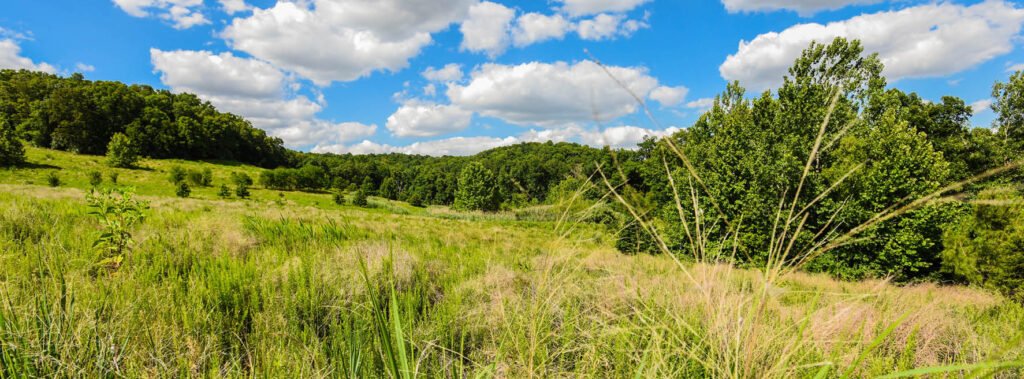
I’ve sat across the table from countless investors who’ve built wealth through stocks, bonds, and rental properties, yet they all share the same question: “Should I diversify into land?” After watching land values in Northwest Arkansas appreciate consistently over decades while providing tangible benefits no paper asset can match, my answer is always the same. Yes, and here’s why. Land investment isn’t about abandoning traditional portfolios. It’s about adding an asset class that behaves differently during market volatility, generates multiple income streams, provides substantial tax advantages, and gives you something you can actually use and enjoy while it appreciates. If you’re considering where to allocate investment capital in Northwest Arkansas, understanding how land compares to stocks, bonds, rental properties, and other common investments will help you make decisions that build lasting wealth. The Fundamental Difference Between Land and Paper Assets Before comparing specific returns and risks, it’s important to understand the fundamental nature of land versus other investments. This difference matters more than most investors initially realize. Land Is Finite and Tangible: Every share of stock can theoretically be replicated through stock splits or new offerings. Companies can issue more bonds. Banks can create more currency. But no one is creating more Ozark Mountain ridges. The supply of quality land in desirable locations remains fixed while demand continues growing, creating inherent scarcity that supports long term value. You Control the Asset: When you own stock, corporate management makes decisions affecting your investment’s value. When you own bonds, you’re dependent on the issuer’s creditworthiness. When you own land in Northwest Arkansas, you directly control management decisions, improvements, and timing of sale. This control reduces your dependence on factors outside your influence. Multiple Simultaneous Benefits: Stocks provide dividends or appreciation. Bonds provide interest. Land provides appreciation, potential income from multiple sources, personal use, tax benefits, and legacy value all simultaneously. Few investments deliver across so many dimensions. Real Asset During Inflation: Inflation erodes the purchasing power of cash, bonds, and fixed income investments. Land, as a hard asset, historically maintains or increases its real value during inflationary periods. You can’t inflate the supply of prime Ozark acreage. Comparing Land to Stock Market Investments The stock market offers liquidity, diversification, and historically strong long term returns. However, it also comes with volatility, limited control, and no tangible use. Here’s how land in Northwest Arkansas compares. Return Comparison Quality land in Northwest Arkansas has appreciated steadily over the past two decades, often delivering returns between 5 to 10 percent annually depending on location and property characteristics. While this may seem modest compared to bull market stock returns, the consistency and predictability matter. Unlike stocks that can lose 30 to 40 percent of their value in a single year during market corrections, land values in established markets like Northwest Arkansas rarely decline significantly. Even during the 2008 financial crisis when stock portfolios were devastated, quality recreational and agricultural land in the region held value or declined modestly before recovering. The real advantage becomes clear over full market cycles. While stocks may deliver higher peak returns during bull markets, they give back substantial gains during corrections. Land’s steady appreciation without the dramatic downside creates compounding returns that rival or exceed stock market performance over 20 or 30-year holding periods. Volatility and Risk Stock portfolios can swing wildly based on corporate earnings, economic data, Federal Reserve decisions, or global events, completely disconnected from fundamental value. This volatility creates emotional stress and sometimes forces investors to sell at the worst possible times. Land values in Northwest Arkansas move slowly and predictably. Property doesn’t drop 20 percent because of a disappointing earnings report or geopolitical event. This stability allows for better planning and reduces the emotional component of investing that destroys wealth. The risks with land are different. Illiquidity means you can’t instantly convert to cash like stocks. Property taxes and maintenance create ongoing costs. But these risks are knowable, manageable, and under your control in ways stock market risks are not. Tax Treatment Stock dividends and capital gains receive preferential tax treatment, but land offers even more advantages. Agricultural classifications can reduce property taxes substantially. Timber income may qualify for capital gains treatment rather than ordinary income rates. Conservation easements can provide significant tax deductions while preserving the land’s character. Additionally, land held until death receives a full step-up in basis for heirs, eliminating capital gains tax on appreciation. This makes land exceptionally efficient for generational wealth transfer compared to stocks or other appreciated assets. Diversification Benefits Modern portfolio theory emphasizes diversification across non-correlated assets. Land provides this diversification because it doesn’t move in sync with stock markets. During the 2020 market crash, stocks plummeted while land values in Northwest Arkansas remained stable or continued appreciating as people sought outdoor recreational opportunities. Adding land to a stock-heavy portfolio reduces overall volatility while maintaining strong long-term returns. This smoother ride helps investors stay the course rather than panic-selling during downturns. Land Versus Bonds and Fixed Income Bonds offer predictable income and principal preservation but struggle in certain economic environments. Land in Northwest Arkansas often outperforms fixed-income investments while providing superior inflation protection. Yield and Income Investment-grade bonds currently yield 4 to 6 percent, and that income is fully taxable at ordinary rates. Land can generate comparable or superior returns through timber harvests, hunting leases, agricultural leases, or other income sources, often with more favorable tax treatment. A 100-acre property generating $15 per acre in hunting lease income produces $1,500 annually. Add selective timber harvesting every 15 years, yielding $30,000 to $50,000, and your effective return over time may exceed bond yields while the land itself continues appreciating. Inflation Protection Bonds lose purchasing power during inflation because their fixed payments become worth less in real terms. Land values and rental income typically rise with inflation, maintaining real value. With concerns about long term inflation given government spending and monetary policy, land’s inflation protection becomes increasingly valuable. Principal Risk High quality bonds preserve principal if held to maturity, but that
Why Recreational Land in Northwest Arkansas Is One of the Smartest Investments You Can Make
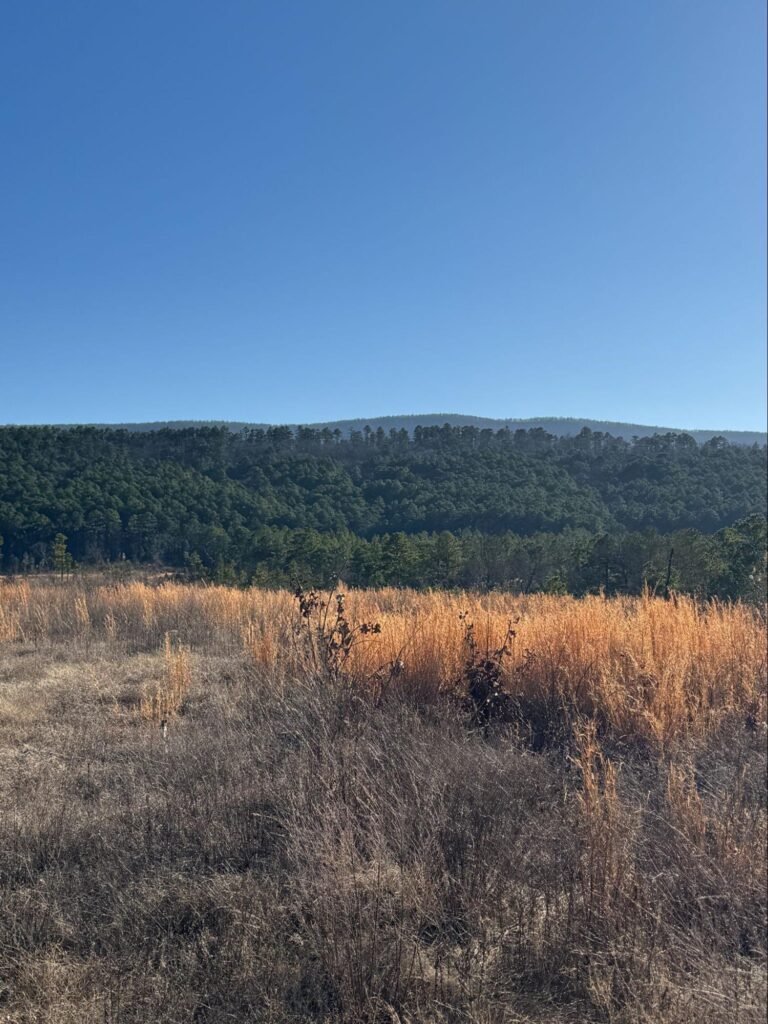
Over the past two decades, I’ve watched recreational land in Northwest Arkansas transform from an undervalued asset to one of the most sought-after investment opportunities in the region. While stocks fluctuate and bonds deliver modest returns, quality recreational land continues to appreciate steadily while providing enjoyment, tax benefits, and multiple income streams along the way. The question isn’t whether recreational land is a good investment. The question is what makes certain properties appreciate faster than others, and how do you identify those opportunities before everyone else does. If you’re considering recreational land as part of your investment portfolio, understanding the unique dynamics of the Northwest Arkansas and Southwest Missouri markets will help you make decisions that build wealth for decades to come. Why Recreational Land Outperforms Many Traditional Investments Land has been building wealth for generations, but recreational property in Northwest Arkansas offers advantages that few other investments can match. Unlike paper assets that can disappear overnight, land is tangible, finite, and increasingly scarce in desirable locations. Consistent Long Term Appreciation: Quality recreational land in Northwest Arkansas has appreciated steadily over the past 20 years, often outpacing inflation and many traditional investments. As Northwest Arkansas continues growing with companies like Walmart, Tyson, and JB Hunt headquartered in the region, demand for recreational escapes near these urban centers continues increasing. Multiple Use Flexibility: Recreational land serves many purposes simultaneously. You can hunt it, camp on it, harvest timber from it, lease it for income, or simply hold it while it appreciates. This flexibility provides options as your needs and market conditions change over time. Tangible Asset You Control: Unlike stocks or mutual funds where you’re at the mercy of markets and management decisions, you directly control how your land is used and managed. You make the decisions about improvements, income generation, and when to sell. Tax Advantages: Recreational land offers several tax benefits. Property taxes in rural Northwest Arkansas counties are relatively low compared to developed property. If you manage timber or lease for agriculture, you may qualify for additional tax classifications that reduce annual costs. Consult with a tax professional about how land ownership fits your specific situation. Inflation Hedge: As inflation erodes the value of cash and fixed-income investments, hard assets like land typically maintain or increase their real value. You can’t print more Ozark Mountain ridges, making quality land inherently inflation resistant. Legacy and Enjoyment: Few investments provide immediate enjoyment while appreciating. Your recreational land becomes a place for family memories, outdoor recreation, and a legacy asset you can pass to future generations. You’re building wealth while actually using and enjoying what you own. What Drives Property Value in Northwest Arkansas Not all recreational land appreciates equally. Understanding what drives value helps you identify properties positioned for above-average growth. Location and Accessibility Properties within 30 to 45 minutes of Bentonville, Rogers, Fayetteville, or Springfiel command premium prices because buyers value convenient access. As Northwest Arkansas continues expanding, land that was once considered remote becomes increasingly accessible and desirable. Highway frontage or improved road access significantly impacts value. Properties requiring four wheel drive on rough county roads appeal to fewer buyers, limiting appreciation potential. Year round accessibility on maintained roads broadens your buyer pool when it’s time to sell. Proximity to amenities matters. Land near Beaver Lake, the Buffalo National River, Ozark National Forest, or popular recreational areas benefits from the infrastructure and attractions already drawing people to the region. Natural Features and Aesthetics Scenic beauty drives value in recreational land markets. Properties with mountain views, rock bluffs, waterfalls, or creek frontage consistently command premium prices. Buyers shopping for recreational land in the Ozarks expect natural beauty, and properties delivering dramatic scenery appreciate faster than less interesting tracts. Water features significantly impact value. Year round creeks, springs, ponds, or lake frontage add both aesthetic appeal and functional value. Water supports wildlife, provides recreation, and creates the kind of special places people remember when touring multiple properties. Mature timber, particularly native hardwoods like oak, walnut, and hickory, adds value through timber income potential and the visual appeal of established forest. Properties that have been high graded or clear cut recently may be cheaper initially but often appreciate more slowly. Size and Configuration The sweet spot for recreational land investment in Northwest Arkansas typically falls between 40 and 200 acres. This range attracts the largest buyer pool including families seeking weekend retreats, hunters wanting manageable tracts, and investors looking for appreciation potential without massive capital requirements. Properties above 200 acres appeal to fewer buyers due to higher prices, though they can deliver excellent long term returns if purchased correctly. Tracts below 20 acres, while affordable, may have limited appreciation potential unless they offer exceptional features or locations. Configuration matters as much as acreage. Long, narrow tracts or properties with awkward shapes limit usability and appeal. Parcels with good depth, multiple ridge and valley systems, and varied terrain provide more recreational value and typically appreciate better. Development Potential While you’re buying for recreation, smart investors consider future development potential. Properties with building sites, utility access, and subdividable acreage offer exit strategies beyond selling to another recreational buyer. As Northwest Arkansas continues growing, recreational land near expanding communities may transition to residential development, creating substantial appreciation. Road frontage, multiple access points, and terrain suitable for homesites add value even if you never develop the property yourself. Future buyers appreciate having options, and properties offering flexibility command higher prices. Income Opportunities That Offset Ownership Costs One advantage recreational land holds over many investments is the ability to generate income while you own it. These income streams can offset property taxes, maintenance costs, and financing expenses while your land appreciates. Hunting Leases Quality hunting land in Northwest Arkansas commands strong lease prices, particularly for properties with good deer and turkey populations. Annual hunting leases typically range from $10 to $25 per acre depending on quality, location, and management. A 100 acre property could generate $1,000 to $2,500 annually, often covering property taxes and insurance.
The Complete Guide to Buying Your First Hunting Property in Northwest Arkansas
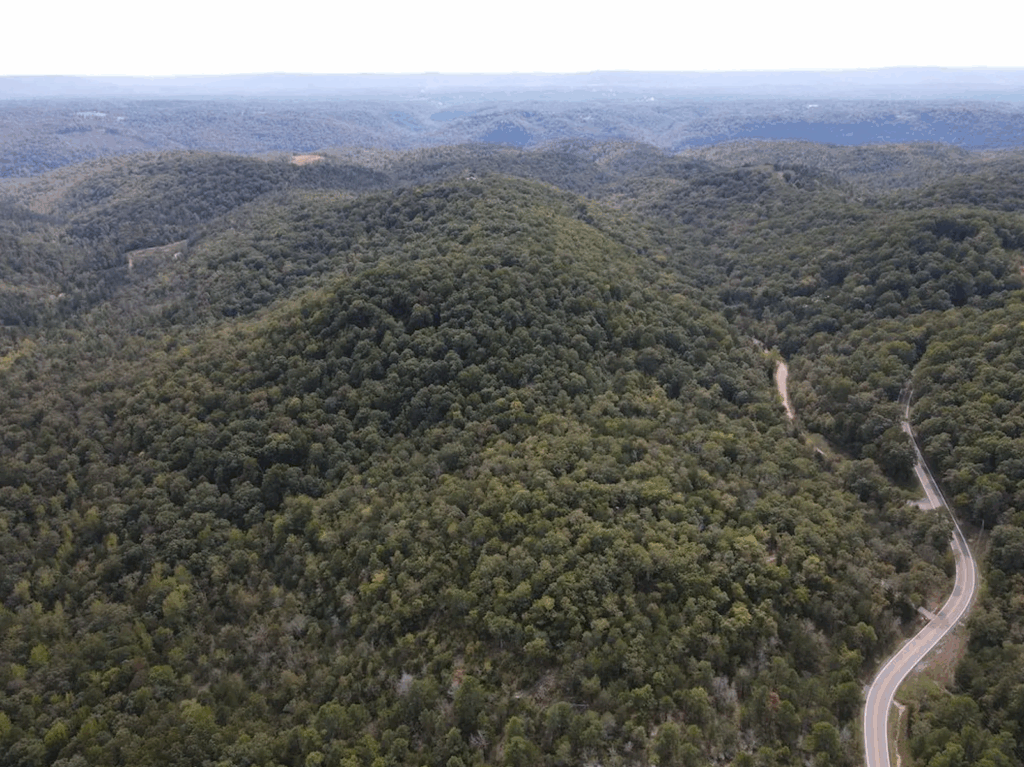
I’ve walked hundreds of properties with hunters ready to buy their first piece of land, and you can always tell when they’ve found “the one.” Buying hunting property in Northwest Arkansas isn’t just about owning land; it’s about creating a place to manage habitat, hunt freely, and build a legacy for generations. But excitement can quickly turn to regret if you don’t know what to look for. Northwest Arkansas offers incredible hunting opportunities throughout the Ozark Mountains, but not all land is created equal. The difference between a great investment and a costly mistake often comes down to understanding what makes quality hunting land in this unique region. Let’s walk through what you need to know to buy with confidence. Why Northwest Arkansas Is a Hunter’s Paradise Northwest Arkansas sits in the heart of the Ozark Mountains, offering some of the most scenic and productive hunting grounds in the region. The rugged, timbered terrain provides exceptional habitat for whitetail deer, wild turkey, and black bear. With abundant public land nearby, including the Ozark National Forest and numerous Wildlife Management Areas, your private property gains even more value when positioned strategically near these public resources. The region’s topography creates natural funnels and travel corridors that experienced hunters know how to leverage. Steep ridges, creek bottoms, oak flats, and mixed timber provide the diversity that wildlife needs to thrive. Whether you’re focused on mature bucks in Benton County, longbeards in Madison County, or multi-species properties in Carroll County, Northwest Arkansas delivers year-round hunting opportunities. Southwest Missouri, just across the state line, offers similar Ozark terrain and hunting quality, making it another excellent option for buyers willing to expand their search area slightly north. Determining Your Property Goals The first step is defining your goals. Not all hunting land serves the same purpose. Ask yourself: What species do you hunt most? Deer hunters need a mix of food, cover, and natural travel corridors. Turkey hunters want mature timber with roosting areas and open understory. Some buyers want properties that support both. How often will you use the land? Properties closer to Bentonville, Rogers, Fayetteville, or Springfiel cost more but get used more often. Remote Ozark tracts offer more acreage per dollar but require longer drives. Do you want income potential? Timber sales, cattle leases, or hunting leases can offset ownership costs and property taxes. Is this a family retreat or personal escape? That affects decisions about cabins, utilities, and amenities. How hands-on are you? Habitat managers may want land suited for food plots, select timber cuts, and hinge cutting; others prefer low-maintenance tracts with naturally productive habitat. Getting clear on these details will narrow your search to properties that fit your vision and budget. Understanding Acreage Requirements “How many acres do I need?” depends on your goals and the terrain you’re considering. Deer hunting: 40 to 80 acres can be productive if positioned strategically with good cover and natural food sources; 100 to 200 acres allows for more comprehensive habitat management, sanctuary areas, and the ability to control hunting pressure effectively. Turkey hunting: 40 to 100 acres in timbered Ozark terrain with mature oak trees for roosting and open understory is often ideal. Turkey range widely, so positioning near quality habitat matters as much as acreage. Multi-species properties: 80 to 160 acres provides flexibility for deer stands, turkey setups, and future habitat projects without feeling cramped. A well-located 60-acre tract bordering public land or adjoining larger private tracts can hunt like 200 acres, while 200 acres surrounded by heavy hunting pressure might underperform. Layout, neighbors, and natural features matter more than acreage alone. Evaluating Wildlife and Habitat Potential When touring land in Northwest Arkansas, look for fresh sign throughout the property, not just near access roads. Tracks, rubs, scrapes, and trails indicate active use. Mature buck sign like large rubs on 3 to 4 inch diameter trees and primary scrape areas signal the presence of quality deer. Key habitat features to evaluate include: Oak mast production: White oaks, red oaks, and chinquapin oaks provide critical fall and winter food. Mature mast-producing trees significantly increase property value for wildlife. Natural browse and cover: A mix of cedar thickets, greenbrier, honeysuckle, and regenerating timber provides bedding security and browse. Overly open timber may need management to improve cover. Water sources: Creeks, springs, ponds, or seeps support wildlife year-round and become critical during summer and early fall. Properties with reliable water sources consistently hold more game. Topography and travel corridors: Saddles between ridges, bench terraces on hillsides, and creek crossings create natural funnels where deer travel predictably. Identifying these features helps you understand how wildlife uses the land. Food plot potential: Benches, old logging roads, or open areas that receive sunlight can be converted to food plots. Having a few suitable locations adds management flexibility. For properties in Southwest Missouri, look for similar Ozark characteristics: mixed timber, topographic diversity, and proximity to larger habitat blocks. Water, Access, and Infrastructure Water is vital for both wildlife and property value. Flowing creeks, natural springs, or existing ponds enhance habitat quality and recreational enjoyment. In Arkansas, water rights are generally riparian, meaning landowners have rights to water flowing through or bordering their property. Verify usage rights and any permitting requirements for pond construction before purchasing. Access can make or break a property. Ensure there’s legal, deeded, year-round access. Many Ozark properties rely on shared easements or county roads. Confirm access is clearly documented in the deed and that the road is passable in all seasons. Landlocked properties may be cheaper but create ongoing challenges and limit resale value. Internal access also matters. Existing trails, old logging roads, or terrain suitable for ATV use improve your ability to hunt different areas without spooking game. Well-planned access allows you to reach stands or blinds without crossing prime habitat. If you plan to build a cabin or camp, investigate utility availability. Many remote Ozark tracts require wells for water and septic systems for sewage. Electric service may require line extensions, which
How to Prepare Your Farm or Hunting Property for a Successful Sale

Selling rural property isn’t the same as selling a home in town. Buyers want to see potential — the productivity of the soil, the health of the timber, the layout of the land, and the possibilities for recreation or income. Preparing your property properly before listing can significantly increase buyer interest and overall sale value. Highlight What Makes Your Property Unique Before listing your farm, hunting land, or recreational tract, take time to make it look its best. Clean up access roads, remove debris, and ensure that all gates and fences are in good condition. A well-maintained entrance and clear pathways signal to buyers that the property has been cared for and is ready for use. If you own a hunting or recreational property, consider refreshing food plots, mowing trails, and marking boundaries clearly. Buyers want to see usable, accessible land — and small improvements can have a big impact on how they perceive value. For farmland, provide documentation such as crop history, lease agreements, and soil reports if available. This type of information helps buyers make confident decisions and sets your listing apart from others. Invest in Professional Marketing Working with land specialists like Tony Chrisco and Chris Files at Whitetail Properties Real Estate ensures that your property receives the professional exposure it deserves. Their listings feature detailed maps, drone photography, and videos that highlight your property’s terrain, wildlife, and features. This visual approach allows buyers — many of whom shop for land online — to experience your property before ever setting foot on it. Tony and Chris understand what draws serious buyers to properties in Arkansas and Missouri. Whether it’s a 40-acre hunting tract or a 400-acre working farm, they tailor their marketing strategy to reach the right audience, locally and nationwide. Transparency Builds Buyer Confidence Buyers appreciate honesty and details. Provide accurate boundary information, note any easements, and be upfront about property access. If there are improvements such as barns, ponds, or wells, highlight their condition and usefulness. These details not only attract serious inquiries but can also streamline negotiations later. Turn Your Land into a Story Worth Selling Every property has a story — from generations of family farming to years of successful hunting seasons. Let your agent help tell that story in a way that resonates with buyers. With professional presentation, local expertise, and national reach, Whitetail Properties Real Estate makes it possible to turn your property’s legacy into opportunity. Learn how to prepare your land for a successful sale at arkansasmissouriland.com, and connect with Tony Chrisco and Chris Files to begin your personalized selling strategy.
Why Now Is the Perfect Time to List Your Rural Property in Arkansas or Missouri
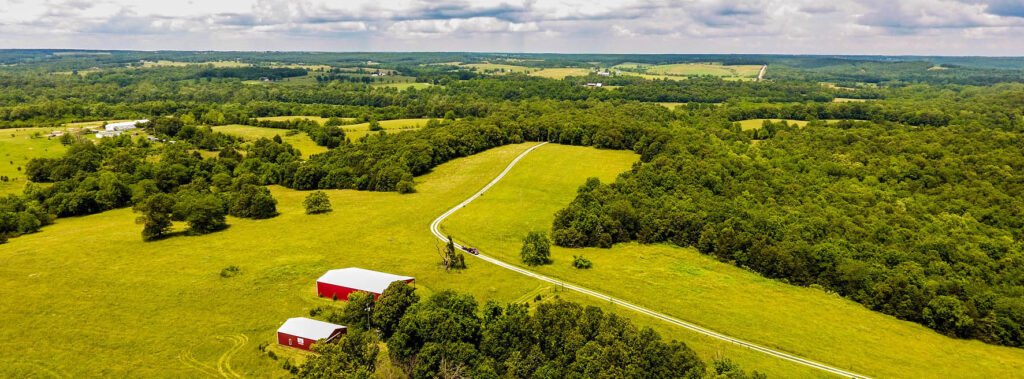
If you’ve been considering selling your land, now is the time to take action. Across Northwest Arkansas and Southwest Missouri, there’s an undeniable surge in demand for rural real estate — from families searching for peace and privacy to investors looking for long-term growth opportunities. Whether you own a family farm, hunting acreage, or a recreational retreat, current market conditions make it an ideal time to sell. A Market Driven by Lifestyle and Opportunity Rural living has never been more desirable. Buyers are looking for properties that offer space, freedom, and self-sufficiency. Over the past few years, the Ozarks region has become a hot spot for land seekers who want both natural beauty and access to nearby towns such as Fayetteville, Harrison, Mountain Home, and Branson. Well-managed farmland, properties with established hunting areas, and land featuring creeks or timber are especially in demand. Investors are also eyeing tracts with potential for farming, ranching, or vacation rental development. With limited inventory available in many areas, properly priced listings are attracting multiple offers and often selling faster than ever before. The Advantage of Working with Whitetail Properties Listing your rural property with Whitetail Properties Real Estate gives you access to a team that understands every acre’s value. Agents Tony Chrisco and Chris Files specialize in marketing farms, hunting tracts, and recreational land across Arkansas and Missouri. Their deep local knowledge, professional marketing tools, and network of qualified buyers make a real difference. When you work with Tony and Chris, you gain: They don’t just list land — they showcase it to the right audience, with a focus on what makes each property special. Why Waiting Could Cost You Interest rates and inventory levels fluctuate, but demand for quality land in Arkansas and Missouri remains steady. As more buyers enter the market looking for sustainable rural living and recreational retreats, your property could be worth more than you think. If you’re considering selling, start with a professional valuation. Knowing your property’s current market potential is the first step toward a successful sale. Visit arkansasmissouriland.com to connect with Tony Chrisco and Chris Files today. They’ll help you develop a customized plan to market your property and secure the strongest return possible.